.png)
Discover strategies to improve employee engagement and build a unified team. Learn how to foster a sense of belonging and unity through purpose.
Have you ever felt unpassionate or disconnected at work? This feeling of disengagement can lead to a lack of excitement and a feeling of distance from your team and your work. But what if there was a way to reignite that spark and bring everyone together?
At Principle Choice Solutions, we believe the answer lies in employee engagement. It's more than just a buzzword; it's a crucial tool for building a strong, unified team. On a recent episode of The Principle Choice podcast, we spoke with Tracy Niemeyer and Karen Watts, two of our leading experts on the subject. Together, we discussed how a strategic, holistic approach to employee engagement is essential for building a thriving workplace culture and a cohesive team where every person feels seen, heard, and valued.
Watts explained it best: "When you have employees that are engaged, it really shows that they are following the same goals, same mission values as the company." Employee engagement is about creating an environment where people feel a sense of belonging and are motivated to contribute to a shared mission. It's not just a simple "thank you" or a fun event like a pizza party. It's about creating a culture where employees feel valued and supported by both their leaders and their peers.

Niemeyer emphasized that this sense of belonging often trickles down from the top. We believe that empowering our managers with the right tools is the first step in helping them effectively engage their teams and improve workplace culture. This starts with managers who are themselves engaged and passionate about their work, as they serve as the direct link to the team.
Building a unified team requires a solid foundation built on several key components. This isn't just about throwing people together; it’s a strategic effort to create an environment where collaboration and cohesion thrive. We focus on a few key pillars, including leadership buy-in, fostering a sense of belonging, and extending team building efforts beyond the workplace.
Leadership Buy-In
When leaders are committed to investing in employee engagement, it signals to the entire organization that employees are the top priority. This commitment is what allows engagement initiatives to flourish and makes a real impact on workplace culture. Without it, even the best ideas for team building and recognition can fall flat. Our leaders understand that a healthy company starts with healthy and happy employees.

Fostering a Sense of Belonging
Managers play a vital role in building a sense of belonging. Niemeyer mentioned that she works directly with managers to help them understand and implement engagement strategies. We focus on equipping our managers to actively help their teams feel connected and involved.
This includes providing them with the necessary tools and support to create a positive and inclusive environment, thereby strengthening employee engagement. By encouraging managers to have open conversations and be present for their teams, we foster an environment of trust and support.
Beyond the Workplace
With many companies operating remotely, traditional team building has evolved. Watts highlighted the importance of events that cater to diverse needs and interests, stating, "...we're really trying to find something that can…fit with everyone, something for everybody."
This is why we often hold family events, as it helps build deeper, more personal connections by allowing team members to get to know their colleagues' families. It's a form of team building that strengthens bonds outside of daily work. This is especially important given the five different generations currently in the workforce, each with different preferences for how they interact and engage. Finding that common ground is a key challenge and a vital part of our strategy.
Engaging a modern workforce requires a tailored approach. We have to be flexible in our communication and programming to meet people where they are.
Holistic Employee Support
True employee engagement involves supporting the whole person, not just the employee. Our employee wellness programs are a great example of this. They provide resources for mental and physical health, showing genuine care for our team members.
As Watts noted, these programs say, "...we care about you. We want you to be healthy. We want you to be okay." It's a tangible investment in our team's well-being. We understand that a healthy employee is a more engaged and productive employee.
Another key area is professional development. We offer programs like a professional book club, run by our training department, which helps fulfill our employees' need for continuous learning and growth. These programs are vital for maintaining high employee engagement because they show that we are invested in our team's long-term career success.
It's not just about what they can do for us now, but what they can become in the future. As Watts explained, these initiatives are about "...really finding…where is that need? What are people wanting? What do they want to do?" It’s a proactive approach to supporting our team.
The Power of Recognition

Employee recognition is a powerful motivator. We've implemented both peer-to-peer and metrics-based programs to ensure everyone feels seen. Watts shared that our peer recognition program allows colleagues to nominate one another for awards, while our metrics-based program recognizes the "workhorse people" who may not always be in the spotlight.
This dual approach ensures our awards don’t become a popularity contest and that all contributions, both visible and behind the scenes, are appreciated, thereby boosting employee engagement. As Erik Gill pointed out, many companies fall short in this area, but we believe it’s essential to make sure everyone feels valued.
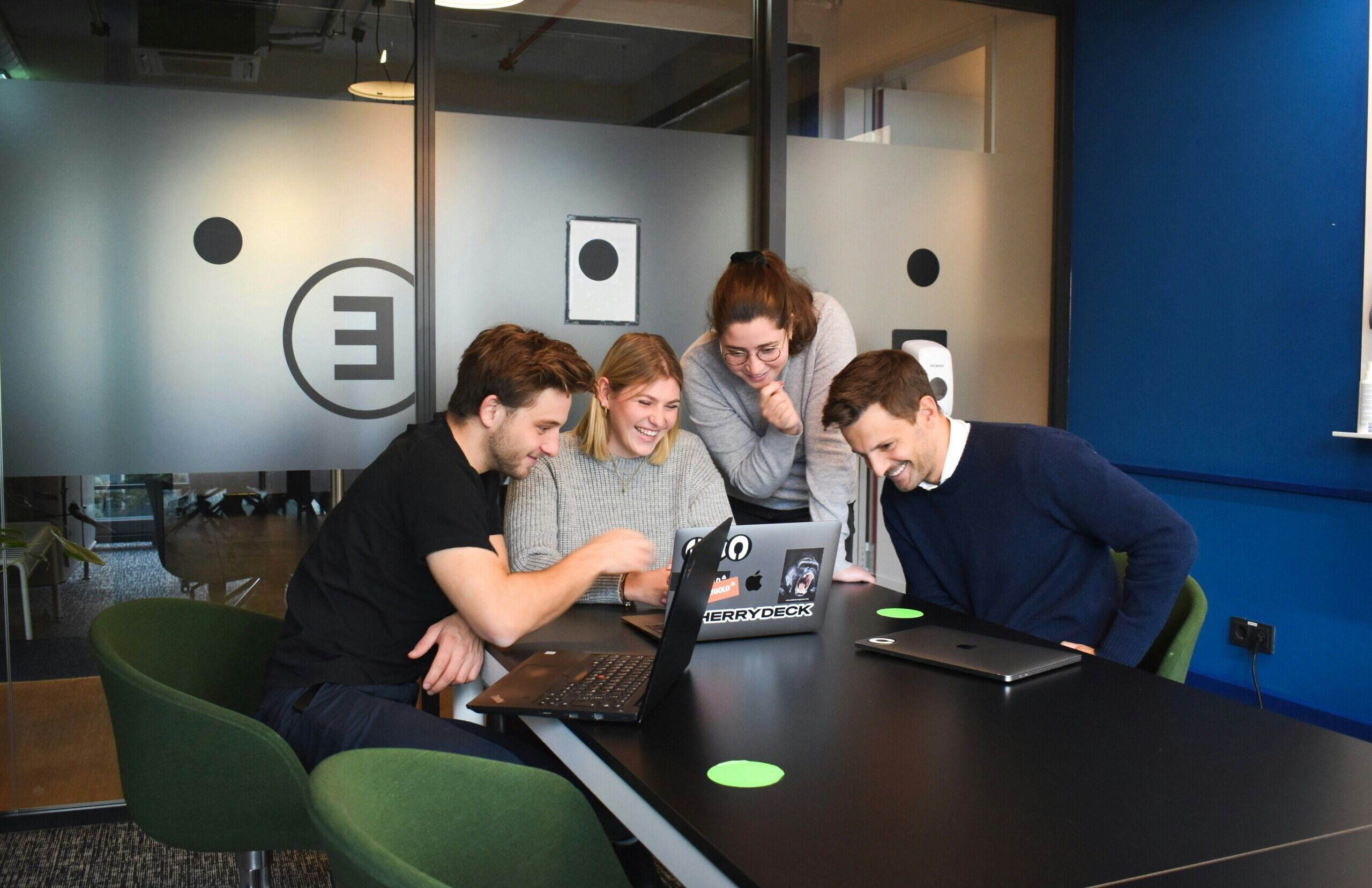
Engagement is a conversation, not a one-way directive. We prioritize soliciting feedback from our team through surveys, focus groups, and mentorship programs. Niemeyer pointed out that this feedback allows for a direct connection, helping us understand what our associates would like to see.
This feedback isn't just collected. It's acted upon. For example, employee feedback led to the creation of a mentorship program for new hires and a support group for caregivers. Watts referred to this process as a snowball effect, where small ideas grow into impactful programs.
Responsiveness to feedback is crucial for building a healthy workplace culture and creating successful team building exercises. It shows our employees that their voices are not only heard but that they have the power to influence positive change within the company.
We also use a brilliant metaphor called "Thorns and Roses" to view and learn from constructive criticism. This perspective helps us continuously improve our employee engagement initiatives, ensuring that every event and program is better than the last.

While our approach has been successful, we know there are always challenges. The need for continued education is one of the biggest. Niemeyer admitted it's hard to find new ways to engage, which is why we're always learning and growing.
We constantly look for new ideas and best practices to ensure our strategies remain fresh and effective. Watts also cautioned against overwhelming employees with too many initiatives, emphasizing the need to focus on high-impact efforts to ensure every program feels important and contributes to overall employee engagement. The success of employee wellness programs, professional development initiatives, and employee recognition all rely on this balanced approach and a constant focus on quality over quantity.
A Unified Team is a Productive Team
Our journey has taught us that true employee engagement is a driving force that goes beyond simple perks. It's built on a foundation of leadership buy-in, professional development, strong workplace culture, and a commitment to employee recognition and well-being. When employees feel valued and respected, they are more motivated and invested in their work.
At Principle Choice, we believe that when you take care of your associates, they'll take care of your clients. This is the simple yet powerful philosophy that guides us every day.


.png)

%20(1).png)


